

Quick answer: get tested for sexually transmitted infections at least once a year if you are sexually active and under 25, have a new or more than one partner, or a partner who has other partners. Test every 3 to 6 months if you have several partners or other higher risk exposures. Everyone 13 to 64 should be tested for HIV at least once, all adults should be tested for hepatitis C at least once, and anyone with symptoms or a partner with an STI should be tested right away.
Screening guidelines at a glance
- Women under 25 who are sexually active: chlamydia and gonorrhea every year.
- Women 25 and older: chlamydia and gonorrhea if you have a new partner, more than one partner, or a partner with an STI.
- Men who have sex with men: syphilis, chlamydia, gonorrhea, and HIV at least once a year, and every 3 to 6 months with multiple or anonymous partners.
- Pregnancy: syphilis, HIV, and hepatitis B (plus hepatitis C) at the first prenatal visit, chlamydia and gonorrhea for those under 25 or at risk, and repeat syphilis testing in the third trimester, which California public health guidance recommends.
- Everyone 13 to 64: HIV at least once, and yearly with ongoing risk.
- All adults: hepatitis C at least once.
Common STDs and how they are tested
Chlamydia and gonorrhea: a urine sample or a swab. Depending on the type of sex, swabs of the throat or rectum may be added, because infections there can be missed by a urine test.
Trichomoniasis: a urine sample or vaginal swab.
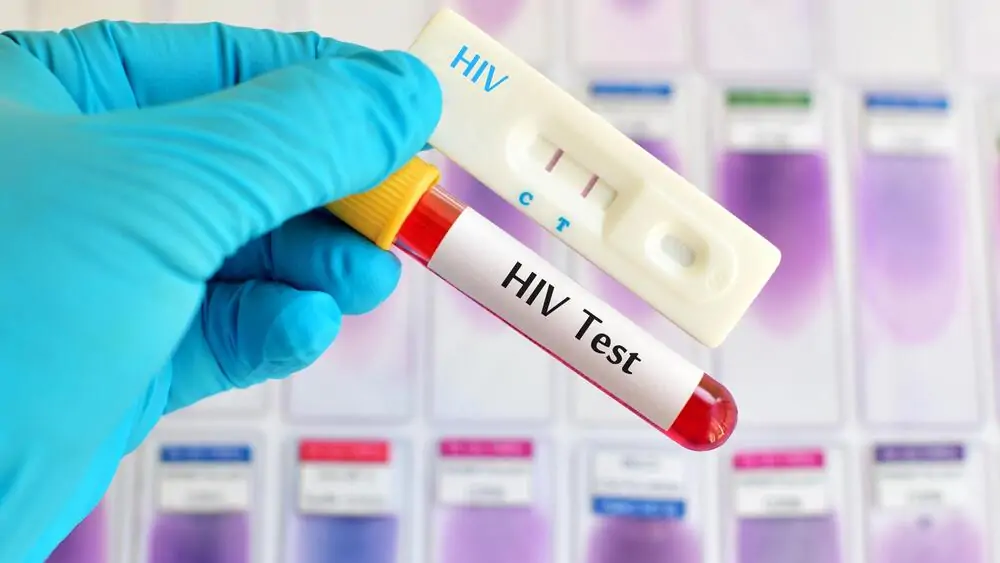
HIV: a blood test. Lab tests that look for both the virus and antibodies detect most infections within about 2 to 6 weeks of exposure.
Syphilis: a blood test. Early syphilis is curable with treatment; untreated syphilis can damage the heart, brain, eyes, and nerves, and can pass to a baby during pregnancy.
Herpes (HSV-1 and HSV-2): a swab of an active sore is the most reliable test. Blood tests can detect antibodies but cannot tell when or where an infection was acquired, and the CDC does not recommend them for routine screening of people without symptoms.
Hepatitis B and C: blood tests. Hepatitis B can be prevented with a vaccine.
HPV: there is no routine HPV test for men. Women are tested as part of cervical cancer screening, and the HPV vaccine prevents most cancer causing types.
When to test after an exposure
Testing too soon can miss an infection. If you test shortly after an exposure, your provider may recommend repeat testing in a few weeks to a few months, because some infections, including HIV and syphilis, take time to show up on blood tests. If you had a possible HIV exposure in the last 72 hours, come in right away and ask about post-exposure prevention (PEP), which works best the sooner it is started.
Get tested right away if you have
- Discharge, burning with urination, or genital itching
- A sore, blister, or bump in the genital area, mouth, or anus
- A rash on the palms or soles, which can be a sign of syphilis
- A partner who has tested positive for an STI
- A condom that broke or slipped
STD testing at our Pasadena clinic
We offer confidential walk-in STD testing with urine tests, swabs, and blood tests through our on-site laboratory, including a full panel STD test. Learn more on our STD testing and treatment page, and see whether insurance covers STD testing. Burning with urination is not always an STD; see how to tell an STD from a UTI.
Walk in today, no appointment needed
Advanced Urgent Care of Pasadena is at 797 S Arroyo Pkwy, Pasadena, next to Petco, with free on-site parking. We are open Monday through Friday 8 AM to 8 PM and Saturday and Sunday 9 AM to 5 PM, and we take our last patient 30 minutes before closing. You can walk in or reserve a time online. We serve Pasadena, South Pasadena, Altadena, San Marino, Alhambra, and nearby communities. Questions? Call (626) 304-0404. See our accepted insurance plans.
Sources
- CDC: STI Screening Recommendations
- CDC: Getting Tested for STIs
- CDC: Getting Tested for HIV
- CDC: Preventing HIV with PEP
This article is general health information and is not a substitute for an examination by a medical provider. If you think you are having a medical emergency, call 911.