
Many sexually transmitted infections cause no symptoms at all, which means feeling fine tells you very little about your status. That is the entire logic of a full panel STD test: instead of guessing which infection to look for, one visit screens for the major infections at once. Here is exactly what a full panel covers, how the process works at our Pasadena clinic, and how to know when you need one.
What a full panel STD test includes
A full panel, sometimes called a comprehensive STD panel, typically screens for:
- HIV, by blood test
- Syphilis, by blood test
- Gonorrhea, by urine test or swab
- Chlamydia, by urine test or swab
- Hepatitis B and hepatitis C, by blood test
Depending on your symptoms, exposure history, and anatomy, a clinician may add:
- Trichomoniasis, a common and very treatable parasitic infection
- Herpes (HSV 1 and 2) testing. When sores are present, a swab of the sore is the most accurate test. Blood testing for herpes without symptoms has real limitations, so it is used selectively rather than routinely.
- Mycoplasma genitalium and Ureaplasma testing, which we specifically offer because these organisms are an increasingly recognized cause of persistent urethritis and pelvic symptoms that standard panels miss
One honest note about HPV: there is no routine blood or urine screening test for HPV. In women it is screened through Pap and HPV testing as part of gynecologic care, and the HPV vaccine remains the best protection. Any clinic promising a simple HPV blood test as part of a panel is overselling.
How STD tests are done
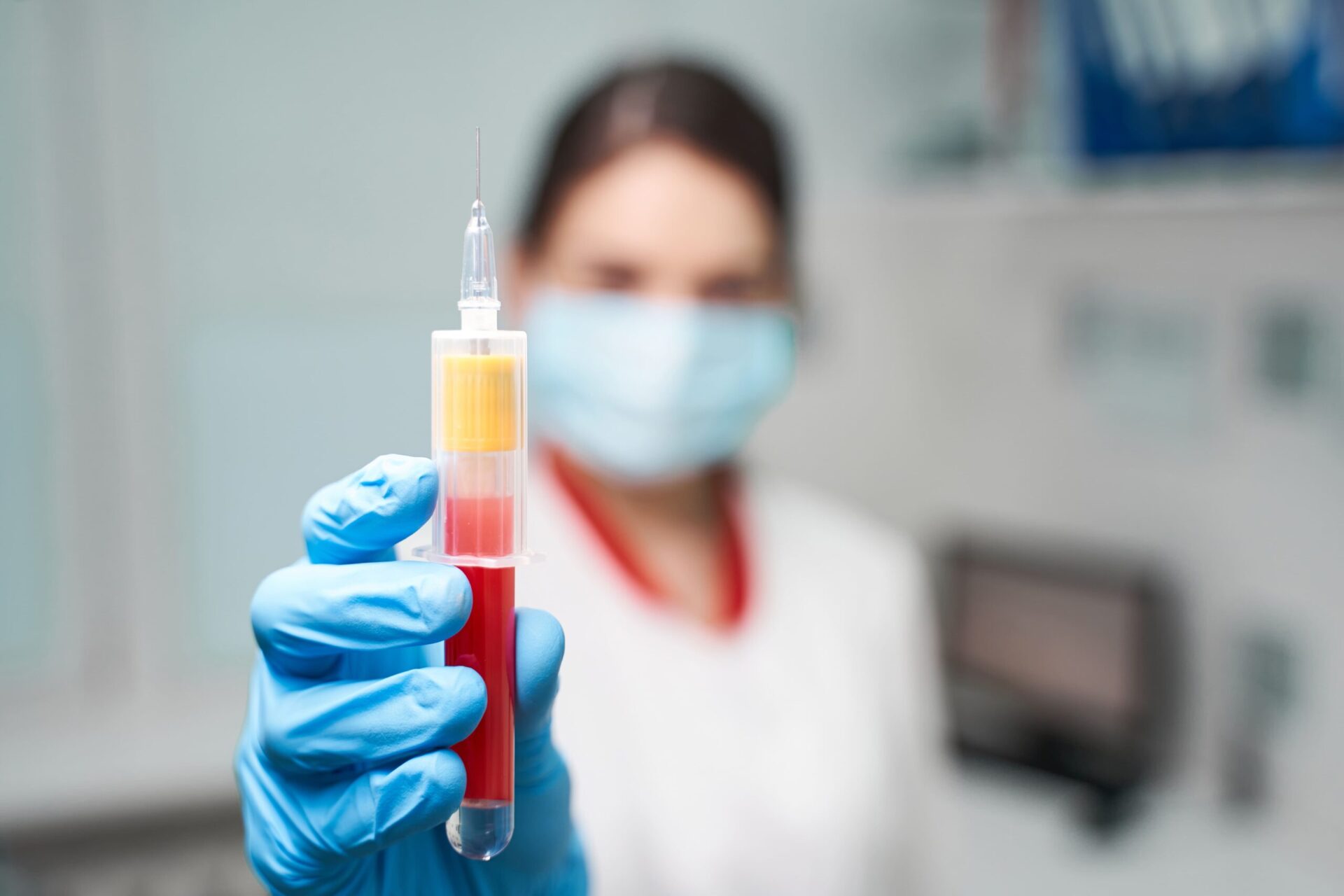
The visit is quicker than most people expect. Testing usually involves a blood draw for HIV, syphilis, and hepatitis, a urine sample for gonorrhea and chlamydia, and, when indicated, a swab of the throat, rectum, genitals, or a visible sore. For women, gonorrhea and chlamydia testing can use either a urine sample or a self collected vaginal swab, which is equally accurate and preferred by many patients. For men, a urine sample is standard. There is no scraping or anything painful beyond a routine blood draw. Collection takes a few minutes. Samples are processed through our on-site laboratory, and most results return within a few days. Our team contacts you promptly, explains what the results mean, and arranges treatment when anything is found. Our related guide on STD testing procedures and results walks through the visit step by step.
Timing matters: the window period
No test can detect an infection the morning after an exposure. Each infection has a window period between exposure and the earliest reliable detection: roughly one to two weeks for gonorrhea and chlamydia, a few weeks for HIV on modern lab based tests, and several weeks for syphilis. If you test very early after an exposure, a repeat test a few weeks later may be recommended to be sure. Our clinicians will tell you the right timing for your situation.
One timing rule stands above all the others: if you may have been exposed to HIV, come in immediately. Post exposure prophylaxis, called PEP, is a course of medication that can prevent HIV infection, but it must be started within 72 hours of the exposure, and the earlier the better. We offer HIV testing and PEP at our clinic. Patients who test positive for HIV are referred promptly to specialist HIV care, where ongoing treatment belongs.
Who needs a full panel
Consider a full panel if any of these apply:
- You have a new partner, or you and a new partner want baseline testing before stopping condoms
- You have multiple partners, in which case testing at least once a year is the standard advice, and more often for higher levels of activity
- You had unprotected sex, or a condom broke
- A partner tested positive for any STD
- You have symptoms: discharge, burning with urination, sores, itching, pelvic pain, or a rash
- You have never had an HIV test. National guidance recommends everyone be tested for HIV at least once, regardless of risk.
Remember that most chlamydia and gonorrhea infections are silent, and our guide to STDs you can have without symptoms explains why untreated silent infections still cause real harm, including infertility. For a deeper look at frequency, see when and how often to test.
What full panel testing costs
Most health insurance plans cover STD testing when it is medically indicated, and many routine screenings are covered as preventive care. Without insurance, our clinic offers transparent self-pay pricing with no hidden charges, and testing at urgent care costs a fraction of what the same tests cost through an emergency room. We cover the coverage question in detail in our companion guide, does insurance cover STD testing at urgent care, and our affordable care without insurance page explains how self-pay works. Call (626) 304-0404 for current pricing on the specific panel you need.
If something is found
This is the good news portion: gonorrhea, chlamydia, syphilis, and trichomoniasis are curable with the right antibiotics, and getting the right drug matters more than ever as antibiotic resistance rises, a trend we covered in our 2026 resistance update. Herpes is not curable but is very manageable, and we offer HSV treatment at the clinic. Partners need treatment too, otherwise the infection simply passes back and forth. Our team handles all of this discreetly in one place.
Walk in for confidential testing in Pasadena
Our STD testing and treatment service is private, judgment free, and requires no appointment. Many patients from Alhambra, South Pasadena, and Eagle Rock choose us precisely because we are a discreet clinic outside their immediate neighborhood. Walk in Monday through Friday 8 AM to 8 PM or weekends 9 AM to 5 PM. We take our last patient 30 minutes prior to close. Questions? Call (626) 304-0404.