
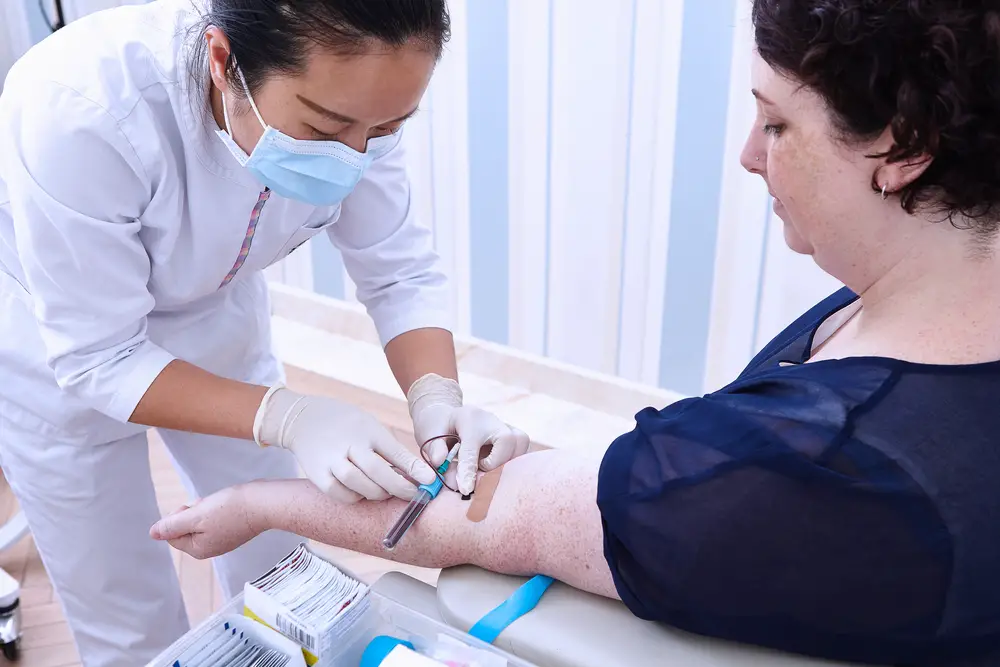
A surgery date comes with a checklist, and near the top is almost always a pre-operative assessment, also called a pre-surgical evaluation, with blood testing. Patients sometimes see this as paperwork. It is not. The pre-op visit is how your surgical and anesthesia team confirms, before you are on the table, that nothing hidden is going to complicate your procedure or your recovery. Here is what the assessment involves, what each blood test actually checks, and how to get it done quickly in Pasadena.
What a pre-op assessment includes
A thorough pre-operative assessment generally covers four things:
- Medical history: past conditions, prior surgeries and any anesthesia problems, allergies, and a complete medication list, including blood thinners, supplements, and herbal products, several of which affect bleeding
- Physical examination: heart, lungs, blood pressure, and any areas relevant to the planned procedure
- Diagnostic tests: blood work, and when indicated an EKG or chest X-ray
- Risk review: pulling it together into a clearance decision, plus instructions on which medications to hold or continue before surgery
The point is personalization. A healthy 30 year old having a minor procedure needs far less testing than a 70 year old with diabetes having a joint replacement, and a good pre-op assessment orders what your situation calls for rather than a reflexive battery of everything.
What pre-op blood tests check for
These are the workhorses and the questions they answer:
- Complete blood count (CBC): Are you anemic, which affects oxygen delivery and how much blood loss you can tolerate? Are platelets adequate for clotting? Is there evidence of infection?
- Metabolic panel: How are the kidneys working, which matters for anesthesia drugs and pain medication dosing? Are electrolytes like sodium and potassium in range, which matters for heart rhythm under anesthesia?
- Blood glucose, and HbA1c for diabetics: Poorly controlled blood sugar raises infection risk and slows wound healing, so surgeons want it identified and managed beforehand.
- Coagulation tests: Will your blood clot normally? Essential for anyone on blood thinners or with a history of bleeding problems.
- Liver function tests: The liver processes many anesthesia and pain medications, so significant abnormalities change drug choices.
- Blood type and screen: Ordered when a procedure carries meaningful transfusion risk, so compatible blood is ready if needed.
- Pregnancy test: Standard before surgery for patients who could be pregnant, because it changes anesthesia and timing decisions.
An EKG is commonly added for older patients and anyone with cardiac risk factors, and a chest X-ray when lung disease or specific symptoms warrant it. We perform both on site.
If a result comes back abnormal
An abnormal pre-op result is not automatically a canceled surgery. Often it means a repeat test, a medication adjustment, or a short delay while something like anemia or blood sugar is corrected, which is exactly the point of testing in advance rather than discovering the problem in the operating room. Our guide to understanding and improving abnormal blood test results covers this in more depth.
How to prepare for pre-op testing
- Bring your surgeon's order sheet or checklist, so the right tests are drawn the first time
- Follow fasting instructions if your panel requires them
- Continue prescribed medications unless your surgeon has said otherwise, and bring the full list
- Drink water beforehand, which makes the blood draw easier
- Allow enough lead time: most surgeons want results within 30 days of surgery, and sooner is safer than the day before
Same day pre-op testing in Pasadena, seven days a week
If your surgery date is approaching and your primary care office cannot fit you in, we can. Advanced Urgent Care of Pasadena performs pre-operative physicals on a walk-in basis, with blood work through our on-site laboratory and EKGs and X-rays in the same visit, and we complete and sign your surgeon's clearance forms. Our related guides on essential pre-surgery blood work and preparing for surgery are worth a read before your visit. Walk in Monday through Friday 8 AM to 8 PM or weekends 9 AM to 5 PM. We take our last patient 30 minutes prior to close. We are at 797 S Arroyo Pkwy with free parking, serving Pasadena, San Marino, and South Pasadena. Questions? Call (626) 304-0404.